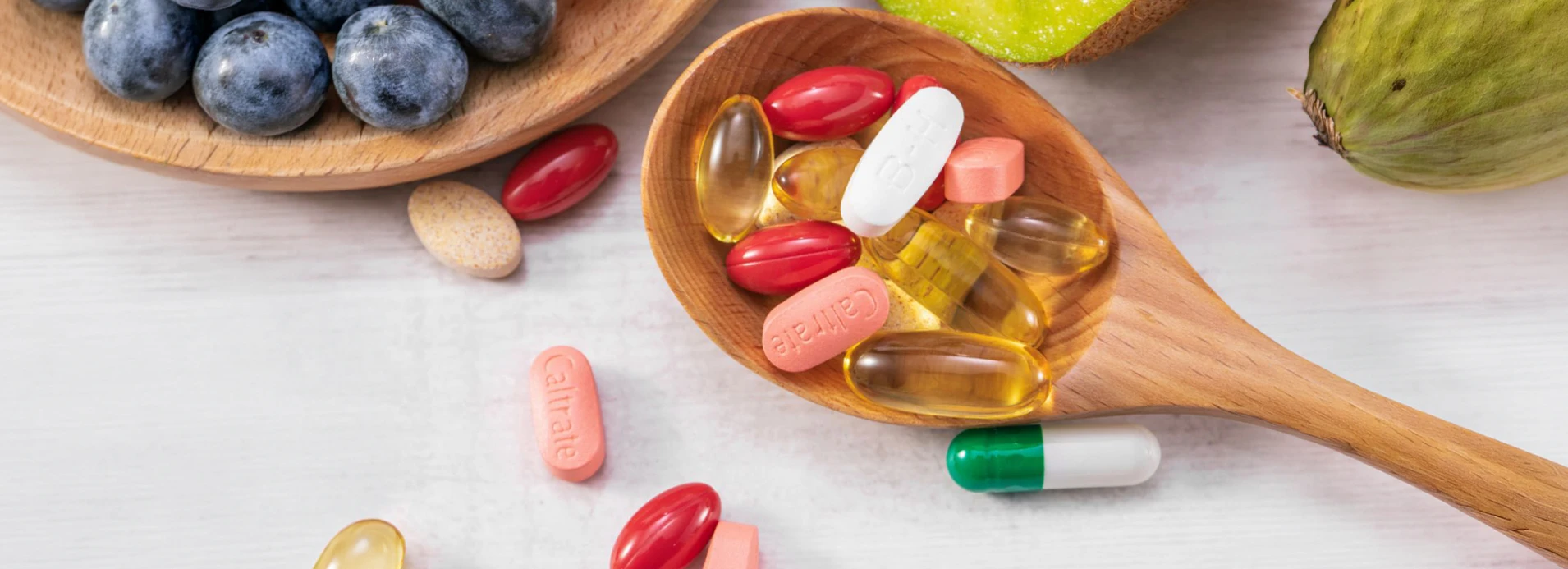
The thirties mark a pivotal decade for women’s health. Your body begins subtle but significant shifts in metabolism, bone density, hormonal balance, and nutrient absorption that will shape your health for decades to come. While you might still feel young and energetic, cellular changes are already underway. Multivitamin tablets for women address these age-specific nutritional gaps that diet alone increasingly struggles to fill. Understanding why supplementation becomes essential after 30 empowers you to protect your health proactively rather than reactively managing problems later.
The Metabolic Shift After 30
Your metabolism doesn’t collapse overnight at 30, but it begins a gradual decline. This means your body burns fewer calories at rest, processes nutrients less efficiently, and requires more targeted nutritional support to maintain optimal function. The carefree eating habits of your twenties no longer sustain the same health outcomes.
Beyond metabolism, cellular regeneration slows. Your body produces less collagen, affecting skin elasticity and joint health. Antioxidant production decreases while oxidative stress from environmental factors accumulates. Hormonal fluctuations begin their slow march toward perimenopause, even if that transition lies years ahead. Multivitamin tablets for women specifically formulated for this age group address these biological realities with nutrient profiles designed for changing bodies.
Women in their thirties also face unique lifestyle pressures. Many juggle demanding careers, young children, aging parents, and household management simultaneously. This constant stress depletes nutrients faster than calmer life stages. Magnesium, B vitamins, and vitamin C all get consumed rapidly during chronic stress, creating deficiencies that compound fatigue and reduce resilience.
Protecting Bone Density Before It’s Too Late
Women reach peak bone mass in their late twenties to early thirties. After that, bone density gradually declines, accelerating dramatically after menopause. The foundation you build now determines whether you face debilitating osteoporosis in your sixties and seventies or maintain strong, fracture-resistant bones throughout life.
Bone and joint health supplements become non-negotiable preventive measures after 30. Calcium and vitamin D form the cornerstone of bone protection, but most women consume inadequate amounts through diet alone. Modern lifestyles involve limited sun exposure due to indoor work and sunscreen use, creating widespread vitamin D deficiency. Meanwhile, dairy consumption has declined, and plant-based diets, while healthy in many respects, often provide insufficient calcium without careful planning.
Supporting Joint Health Before Pain Appears
Joint problems seem like concerns for older adults, but cartilage deterioration begins decades before pain announces the damage. Your thirties represent the critical window for preventive joint protection that pays enormous dividends later.
Active women face particular joint stress. Running, high-intensity interval training, dance, tennis, and other impact activities accumulate microtrauma in joint cartilage. While exercise provides crucial health benefits, supporting your joints nutritionally allows you to maintain activity levels throughout life rather than developing pain that forces activity reduction in your forties and fifties.
Many multivitamin tablets for women now include joint-supporting nutrients beyond basic vitamins and minerals. Formulations designed for active women might include glucosamine, MSM (methylsulfonylmethane), or hyaluronic acid alongside standard nutrients. These comprehensive products address multiple health priorities simultaneously, simplifying supplement regimens.
Hormonal Balance and Reproductive Health
The thirties bring hormonal complexity as fertility gradually declines and perimenopause preparations begin. Even women not planning pregnancy need hormonal balance for energy, mood stability, healthy metabolism, and long-term disease prevention.
B vitamins prove essential for hormonal health. Vitamin B6 helps regulate estrogen and progesterone metabolism, potentially reducing PMS symptoms that often worsen in the thirties. Folate (vitamin B9) supports healthy cell division and DNA synthesis. Vitamin B12 maintains nerve health and energy production while supporting cognitive function. Many women develop B12 deficiency in their thirties, particularly those following vegetarian or vegan diets, causing fatigue, brain fog, and mood changes.
Multivitamin tablets for women formulated for this age group typically include the full B-complex at therapeutic doses rather than minimal amounts. For women planning future pregnancies, adequate folate intake before conception dramatically reduces neural tube defect risk. Since many pregnancies are unplanned and neural tube formation occurs during the first month when women often don’t yet know they’re pregnant, maintaining consistent folate intake through multivitamin tablets for women provides important protection.
Energy Production and Metabolic Support
The exhaustion many women experience in their thirties isn’t just from busy schedules—it reflects genuine cellular energy production changes. Your mitochondria, the cellular powerhouses generating energy, become less efficient with age. Supporting their function through targeted nutrition helps maintain the vitality you enjoyed in your twenties.
Coenzyme Q10 tablets in India availability has increased as awareness of this crucial nutrient spreads. CoQ10 plays an essential role in mitochondrial energy production, literally helping your cells manufacture ATP (adenosine triphosphate), the energy currency powering all cellular processes. Your body produces CoQ10 naturally, but production peaks in your twenties and declines steadily thereafter.
Cardiovascular Protection Starts Now
Heart disease kills more women than all cancers combined, yet many women consider it a concern for later decades. The reality is that cardiovascular disease development begins years before symptoms appear. Arterial changes, cholesterol imbalances, and inflammation accumulation start in your thirties, making this the critical decade for preventive cardiovascular nutrition.
Folate, vitamin B6, and vitamin B12 work together to regulate homocysteine, an amino acid that damages arterial walls when elevated. High homocysteine levels predict increased cardiovascular disease risk independent of cholesterol. Multivitamin tablets for women providing adequate B vitamins help maintain healthy homocysteine levels, protecting arterial health decades before heart disease typically manifests.
Coenzyme Q10 tablets in India availability addresses another important cardiovascular nutrient. Beyond energy production, CoQ10 supports heart muscle function specifically—your heart cells contain more mitochondria than almost any other tissue because of enormous energy demands. CoQ10 helps maintain the contractile strength and endurance your heart requires to pump blood efficiently throughout life.
Read more : Best supplements for heart health
Immune System Resilience
Your immune system remains robust in your thirties, but benefits from nutritional support that prevents age-related decline and helps manage the constant pathogen exposure of modern life. Women with young children face particular immune challenges from frequent illness exposure.
Vitamin D powerfully modulates immune function beyond its bone health roles. Adequate vitamin D reduces susceptibility to respiratory infections, supports appropriate immune responses, and may reduce autoimmune disease risk. Most women require supplementation to achieve optimal blood levels, particularly those living in northern latitudes or with darker skin that produces vitamin D less efficiently from sun exposure.
Vitamin C supports multiple immune functions including white blood cell production and antibody synthesis. While severe deficiency is rare, marginal insufficiency impairs immune responses, increasing infection frequency and duration. Multivitamin tablets for women providing 200-500mg vitamin C optimize immune function better than minimal doses meeting only basic deficiency prevention.
Skin, Hair, and Nail Health
While vanity concerns might seem superficial, skin, hair, and nail changes after 30 reflect deeper nutritional and hormonal shifts worth addressing. The same nutrients supporting these visible tissues also maintain internal organ health.
Vitamin C and copper work as essential cofactors for collagen synthesis. Your skin’s structural integrity depends on collagen, which decreases 1% annually after 30. Supporting continued production through nutrition helps maintain skin elasticity and reduces visible aging signs. Comprehensive multivitamins provide both nutrients at levels supporting collagen maintenance.
Vitamin E and selenium protect skin cells from oxidative damage caused by UV exposure and environmental pollutants. This antioxidant protection prevents premature aging and maintains skin health. The same antioxidant mechanisms protect internal organs from oxidative stress, making skin benefits visible markers of deeper cellular protection.
Iron deficiency, common in menstruating women, causes hair loss, pale skin, and brittle nails. Ensuring adequate iron intake through diet and supplementation when needed reverses these changes. However, iron supplementation requires individual assessment since excess iron creates health risks for women with adequate stores.
Choosing the Right Multivitamin for Your Thirties
Not all multivitamin tablets for women provide equal benefits. Marketing claims often exceed actual nutritional value, requiring informed selection to get products delivering real health improvements.
- Age-specific formulations matter significantly. Multivitamins designed for women over 30 or 40 differ from general women’s formulas by including higher doses of nutrients supporting bone health, energy production, and hormonal balance while potentially reducing or eliminating iron for women who no longer menstruate.
- Bioavailable forms optimize absorption and utilization. Look for methylfolate rather than folic acid, methylcobalamin B12 rather than cyanocobalamin, chelated minerals rather than cheap oxide forms, and vitamin D3 rather than D2. These superior forms cost manufacturers more but deliver dramatically better results.
- Third-party testing certifications from USP, NSF International, or ConsumerLab verify that bottles contain claimed ingredients at stated potencies without contamination. This matters enormously in the loosely regulated supplement industry where independent testing reveals that some products contain significantly less active ingredients than labels claim.
- Comprehensive formulations reduce pill burden by combining multiple nutrients in single products. However, beware of formulations including so many ingredients at minimal doses that none reach therapeutic levels. Better to take fewer nutrients at effective doses than dozens at homeopathic amounts providing no real benefit.
- Consider your specific needs when selecting formulations. Women planning pregnancies need higher folate. Those with heavy menstrual bleeding require iron. Vegans need B12, vitamin D, and potentially additional nutrients. Active women benefit from formulations including bone and joint health supplements. Select products matching your individual health profile.
Integrating Multivitamins Into Daily Routines
Consistency determines supplement effectiveness. The best multivitamin tablets for women provide no benefits sitting in bathroom cabinets forgotten.
Taking multivitamins with food improves absorption of fat-soluble vitamins (A, D, E, K) and reduces digestive upset some people experience on empty stomachs. Many women find breakfast the most reliable time, building supplement-taking into established morning routines.
Splitting doses sometimes improves absorption and reduces side effects. If your multivitamin contains high nutrient levels, taking half in the morning and half with dinner maintains steadier blood levels and prevents overwhelming your system’s absorption capacity at once.
Tracking benefits helps maintain motivation during the weeks before noticeable improvements appear. Note energy levels, sleep quality, mood, stress resilience, menstrual symptoms, and physical performance. After 4-8 weeks, review your notes to identify the often-subtle improvements that memory alone might miss.
Periodic blood testing provides objective feedback on supplementation effectiveness. Annual physicals should include vitamin D, B12, iron studies, and potentially homocysteine testing. Results show whether your multivitamin maintains optimal levels or whether adjustments are needed.
The Investment in Lifelong Health
Multivitamin tablets for women after 30 represent one of the most cost-effective health investments available. Monthly costs of $20-40 for quality products pale beside the thousands or tens of thousands of dollars treating preventable conditions later costs.
The real value transcends money—maintaining energy, cognitive function, bone strength, and overall vitality determines life quality for decades. Women who prioritize preventive nutrition in their thirties typically enjoy active, independent lives well into their eighties and beyond. Those who neglect nutritional foundations often face chronic disease, disability, and diminished quality of life in later decades.
Bone and joint health supplements started now prevent the fractures and mobility loss that frequently end independence for elderly women. Coenzyme Q10 tablets in India availability makes cellular energy support accessible, helping maintain the vitality making life enjoyable. B vitamins, vitamin D, magnesium, and other essential nutrients support every system in your body, creating the robust health that lets you pursue careers, relationships, hobbies, and adventures without health limitations.
Your thirties are neither too late to recover from past nutritional deficiencies nor too early to prevent future problems. This decade offers the perfect window for establishing nutritional habits that compound benefits throughout your remaining decades.
Conclusion
Multivitamin tablets for women after 30 address the biological realities of changing bodies, busier lives, and increasing health demands. They support bone density before osteoporosis develops, protect joints before pain appears, maintain energy as metabolism slows, and provide nutritional insurance against dietary gaps that diet alone struggles to fill.
The specific nutrients in quality women’s multivitamins—calcium, vitamin D, magnesium, B-complex vitamins, vitamin C, vitamin E, and others—work synergistically to support every body system. Adding targeted supplements like bone and joint health supplements and coenzyme q10 tablets creates comprehensive nutritional support addressing the unique needs of women navigating their thirties.
This decade determines whether you’ll enjoy robust health in your sixties, seventies, and eighties, or struggle with preventable chronic diseases and disabilities. The choice to invest in proper nutrition now through thoughtful supplementation represents one of the most powerful health decisions you’ll ever make.