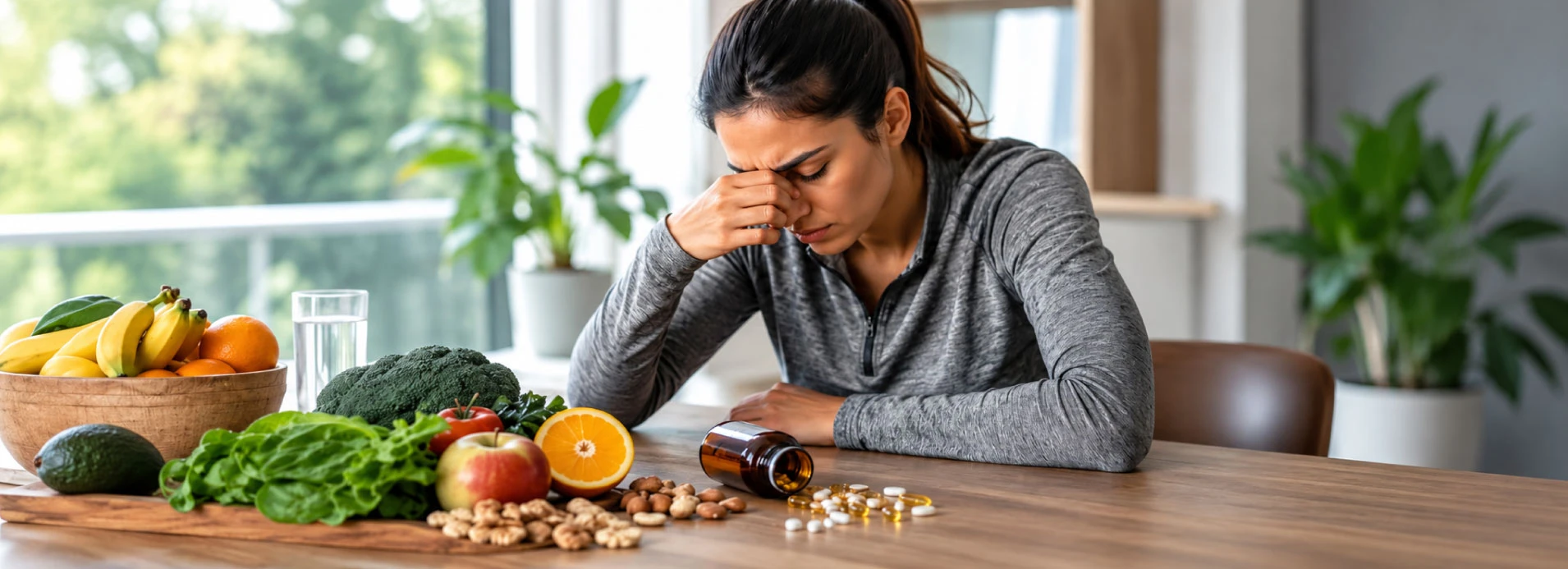
Modern Indian women face a perfect storm of nutritional challenges that make supplementation more relevant than ever before. Between managing careers, families, and personal health, most women struggle to maintain consistent eating patterns that deliver complete nutrition. The shift toward processed convenience foods, coupled with inadequate sleep and chronic stress, has created widespread micronutrient deficiencies across urban and semi-urban populations. Blood test data from diagnostic labs consistently reveals alarming gaps in Vitamin D, Iron, B12, and Calcium levels among women aged 25 to 55.
This nutritional crisis isn’t just about poor food choices—it reflects deeper systemic issues in how women prioritize their health. Many skip breakfast, rely on caffeine to push through energy crashes, and treat exhaustion as normal rather than a red flag. Hormonal fluctuations from menstrual cycles, PCOS, thyroid disorders, and perimenopause compound these deficiencies, creating a cascade of symptoms that range from annoying to debilitating. Preventive wellness through targeted supplementation has emerged as a practical solution, but only when women choose formulations designed specifically for their physiological needs rather than generic multivitamins.
Learn more about best nutrition supplements in india
Why Women Need Multivitamins?
Nutritional Gaps in Indian Diets
The typical Indian diet, despite its rich culinary heritage, falls short on several critical micronutrients that women need daily. Vegetarian and vegan eating patterns, while culturally significant and environmentally beneficial, often lack adequate bioavailable B12, Iron, Zinc, and Omega-3 fatty acids. Even women who eat balanced meals face absorption issues due to high phytate content in grains and legumes, which binds minerals and prevents their uptake. Restaurant food and packaged meals dominate urban eating habits, stripping away the nutrient density that home-cooked traditional meals once provided.
Meal-skipping behavior has become normalized among working women, with many surviving on just two meals plus tea and biscuits throughout the day. This erratic eating pattern doesn’t just reduce total nutrient intake—it disrupts metabolic rhythms and hormone production that depend on steady fuel. When you combine irregular meals with stress-induced cortisol spikes, the body prioritizes survival over functions like hair growth, skin repair, and reproductive health. The best multivitamin for women in India acts as nutritional insurance, filling gaps that even well-intentioned eating plans inevitably leave behind.
Hormonal and Lifestyle Challenges
Women’s bodies undergo continuous hormonal shifts that demand specific nutritional support at different life stages and throughout each menstrual cycle. Iron needs spike during menstruation, B vitamins support progesterone production in the luteal phase, and magnesium helps manage PMS symptoms like cramps and mood swings. Women with PCOS face additional challenges: insulin resistance depletes chromium and inositol, while elevated androgens increase requirements for zinc and vitamin D. These hormonal conditions aren’t rare exceptions—they affect millions of Indian women who rarely receive adequate nutritional guidance from their healthcare providers.
Chronic stress acts as a nutrient thief, rapidly depleting B vitamins, magnesium, and vitamin C that the body burns through during cortisol production. Sleep deprivation disrupts leptin and ghrelin balance, triggering cravings for high-calorie, low-nutrient foods that worsen the deficiency cycle. Most women recognize they feel exhausted, struggle with brain fog, or experience unexplained weight changes, but few connect these symptoms to micronutrient depletion. Supplementation doesn’t fix poor lifestyle habits, but it provides the biochemical raw materials needed for stress adaptation and hormonal balance.
Benefits of Daily Multivitamins
- A well-formulated multivitamin delivers measurable improvements in energy production by supporting mitochondrial function and oxygen transport throughout the body. Women consistently report feeling less fatigued within two to three weeks of starting supplementation, particularly when Iron and B-complex vitamins correct underlying deficiencies.
- Immune function strengthens as Vitamin D, Zinc, and Selenium optimize white blood cell production and antibody response.
- Skin, hair, and nails reflect internal nutritional status—biotin, silica, and antioxidants visibly improve these beauty markers when deficiencies are addressed.
- Bone density preservation becomes critical for women after age 30, when calcium loss begins to outpace calcium absorption without adequate Vitamin D3 and K2.
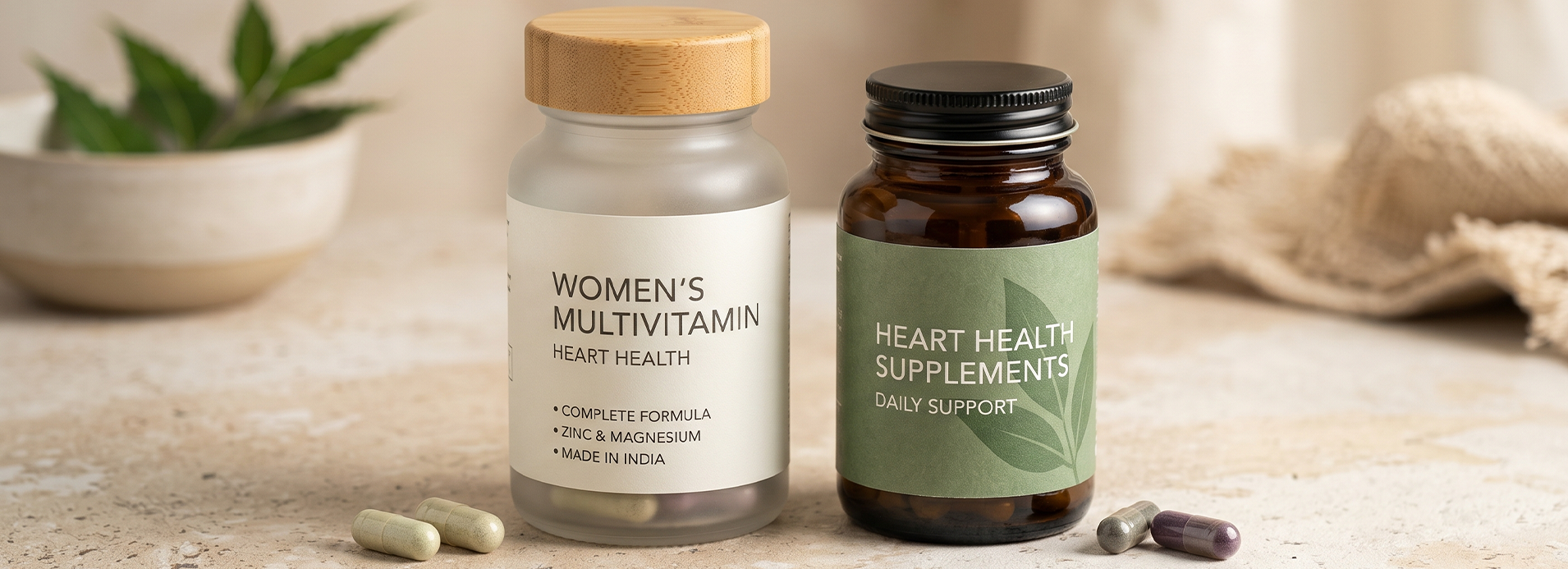
- Heart health supplements containing magnesium, CoQ10, and omega-3 fatty acids support cardiovascular function, which remains a leading health risk for women despite being under-discussed.
Women who combine supplementation with whole grains, colorful vegetables, protein sources, and hydration see compounding benefits that neither approach achieves alone.
Essential Nutrients Every Woman’s Multivitamin Should Contain
Iron
Iron deficiency remains the most common nutritional deficiency among Indian women, affecting nearly 50% of reproductive-age females according to national health surveys. This mineral serves as the oxygen-carrying component of hemoglobin, directly impacting energy levels, cognitive function, and physical performance. Women lose approximately 15-30 mg of Iron monthly during menstruation, creating a constant drain that diet alone struggles to replenish. Symptoms like unexplained fatigue, cold hands and feet, pale skin, and difficulty concentrating often signal low Iron stores long before anemia appears on blood tests.
The Iron found in vegetarian sources (non-heme Iron) absorbs at just 2-10% efficiency compared to 15-35% for heme Iron from animal products. Pairing Iron with Vitamin C enhances absorption, while tea, coffee, and calcium-rich foods consumed simultaneously inhibit uptake. Women should look for multivitamins containing 10-18 mg of Iron in forms like ferrous bisglycinate or Iron chelate that minimize digestive discomfort. However, excessive Iron supplementation without confirmed deficiency carries risks—always check your ferritin and hemoglobin levels before starting high-dose Iron.
Vitamin D3
More than 70% of Indian women have insufficient Vitamin D levels, primarily due to indoor lifestyles, cultural clothing practices that limit sun exposure, and darker skin tones that require longer UV exposure for synthesis. This fat-soluble vitamin functions more like a hormone than a traditional vitamin, regulating over 200 genes involved in immune function, bone metabolism, mood regulation, and cellular growth. Deficiency manifests as bone pain, muscle weakness, frequent infections, depression, and increased autoimmune disease risk. Women with PCOS show particularly low Vitamin D levels, which worsens insulin resistance and reproductive dysfunction.
The body needs Vitamin D3 (cholecalciferol) rather than D2 (ergocalciferol) for optimal bioavailability and sustained blood levels. Ideal supplementation provides 1000-2000 IU daily for maintenance or 4000-6000 IU for correction of deficiency, always paired with Vitamin K2 to ensure calcium deposits in bones rather than soft tissues. Women living in metro cities with high pollution face additional challenges, as particulate matter blocks the UV-B rays required for skin-based Vitamin D production. A multivitamin with zinc and magnesium alongside Vitamin D3 creates synergy, as these minerals activate the enzymes that convert inactive Vitamin D into its functional form.
Vitamin B12
Vitamin B12 deficiency affects up to 47% of Indian vegetarians and vegans, since this essential nutrient exists almost exclusively in animal products. This water-soluble vitamin supports red blood cell formation, DNA synthesis, neurological function, and energy metabolism through its role in the citric acid cycle. Early deficiency symptoms—fatigue, weakness, tingling in hands and feet, memory problems, and mood changes—often get dismissed as stress or age-related decline. Left untreated, B12 deficiency causes irreversible nerve damage, megaloblastic anemia, and elevated homocysteine that increases cardiovascular disease risk.
p
Women following plant-based diets require supplementation with methylcobalamin or cyanocobalamin forms providing 500-1000 mcg daily. Absorption depends on intrinsic factor production in the stomach, which decreases with age and in women taking proton pump inhibitors for acid reflux. Fortified foods like nutritional yeast and plant milks provide minimal B12 that rarely meets daily needs. Blood tests measuring serum B12 levels can miss functional deficiency—methylmalonic acid and homocysteine tests offer more accurate assessment of tissue stores and metabolic function.
Calcium and Magnesium
Calcium builds and maintains bone density while supporting muscle contraction, nerve transmission, and blood clotting throughout a woman’s life. Indian women typically consume just 400-500 mg daily from diet, falling far short of the 1000-1200 mg recommendation, particularly those avoiding dairy or relying on vegetable-only meals. Bone-building occurs primarily before age 30, making early supplementation crucial for preventing osteoporosis in later decades. Calcium citrate absorbs better than calcium carbonate, especially for women with low stomach acid or those taking antacids regularly.
Magnesium works in tandem with calcium, regulating heart rhythm, supporting hundreds of enzymatic reactions, promoting restful sleep, and reducing muscle cramps and tension headaches. This mineral gets depleted rapidly during stress, making it essential for modern women facing constant pressure from work and family responsibilities. Studies show that 300-400 mg of elemental magnesium daily reduces PMS symptoms, improves sleep quality, and supports healthy blood sugar regulation. Most multivitamins include calcium and magnesium in balanced ratios (often 2:1 or 1:1) to prevent absorption competition and maintain proper muscle-nerve signaling.
Learn more about types of collagen supplements
Difference Between Men’s and Women’s Multivitamins
| Feature | Men’s Multivitamins | Women’s Multivitamins |
| Primary Focus | Muscle health, energy, heart health, stamina | Bone health, hormonal balance, skin health, iron support |
| Iron Content | Usually low or absent | Often higher to support menstrual health |
| Calcium Levels | Moderate | Higher for bone strength and osteoporosis prevention |
| Folic Acid | Lower amounts | Higher amounts, especially for reproductive health |
| Magnesium | Supports muscle and nerve function | Supports mood, hormones, and bone health |
| Zinc | Higher levels for testosterone and immunity | Moderate levels for immunity and skin health |
| Vitamin B12 | Supports metabolism and energy | Helps reduce fatigue and supports nerve function |
| Vitamin D | Supports muscle and bone health | Important for bone density and calcium absorption |
| Antioxidants | Focus on heart and prostate support | Focus on skin, hair, and anti-aging support |
| Common Added Nutrients | Lycopene, saw palmetto | Biotin, collagen, cranberry extract |
| Target Age Concerns | Muscle maintenance, cardiovascular health | PMS support, pregnancy preparation, menopause support |
| Calorie/Metabolism Support | Often includes nutrients for metabolism and performance | Often includes nutrients for hormonal and metabolic balance |
| Typical Users | Men with active lifestyles or age-related nutrient needs | Women needing support for iron, hormones, and bone health |
Top Recommended Multivitamins for Women Based on Health Goals
- For Low Energy and Fatigue Women dealing with constant tiredness often benefit from multivitamins containing iron, vitamin B12, folic acid, and B-complex vitamins. These nutrients help support red blood cell production and improve energy metabolism. Such formulas are commonly preferred by working professionals, students, and women with demanding daily routines.
- For Hair Fall and Skin Health Multivitamins designed for beauty support usually include biotin, collagen, zinc, vitamin E, and antioxidants. These ingredients help strengthen hair, support nail growth, and improve skin texture. They are often recommended for women experiencing dull skin, brittle nails, or excessive hair shedding.
- For Bone and Joint Strength Women concerned about bone density generally look for supplements rich in calcium, magnesium, and vitamin D3. These nutrients support stronger bones and better calcium absorption, especially important after the age of 30 or during menopause.
- For Immunity Support Vitamin C, zinc, selenium, and antioxidants are key nutrients in immunity-focused multivitamins. They help the body fight infections and support overall wellness during seasonal changes or stressful periods.
- For Hormonal and Reproductive Health Women trying to support hormonal balance often choose formulas with folic acid, iron, iodine, and omega-3 nutrients. These multivitamins are also commonly preferred during pregnancy planning stages and for menstrual health support.
Best Multivitamins for Women in India
VMG Active’s Welfusion tablets stand out as the ultimate daily wellness solution for modern Indian women facing nutritional gaps and lifestyle challenges. Unlike generic supplements, this comprehensive formulation targets six critical health dimensions that directly impact women’s quality of life and long-term vitality.
Energy & Metabolism Support combats the constant fatigue plaguing working women through B-complex vitamins and Iron that fuel cellular energy production. You’ll notice sustained stamina throughout demanding workdays without afternoon crashes. Heart Health & Circulation protection comes from magnesium, CoQ10, and antioxidants that support cardiovascular function—a crucial benefit often overlooked in women’s health discussions.
Brain Function & Mental Clarity enhancement helps you stay sharp, focused, and productive through omega-3s and B vitamins that optimize neurotransmitter production. Bone & Joint Health preservation starts now, not after problems appear, with calcium, Vitamin D3, and K2 working synergistically to maintain density and flexibility.
Skin, Hair & Nail Health improves visibly within weeks as biotin, zinc, and vitamin E nourish from within—no expensive salon treatments needed. Immunity & Cellular Protection strengthens your body’s defenses through Vitamin C, D3, selenium, and zinc, reducing seasonal illnesses.
VMG Active’s Welfusion tablets deliver multi-platform availability and represent a strategic investment in preventive health that pays dividends in energy, confidence, and longevity for every woman prioritizing her wellness.
How to Choose the Best Multivitamin for Women?
Understand Your Health Goals
Selecting the right multivitamin begins with honest assessment of your current symptoms and long-term health priorities rather than buying whatever’s trending online. Women seeking energy support need formulations emphasizing Iron, B-complex vitamins, and Coenzyme Q10 that directly fuel cellular energy production. Those concerned with thinning hair, brittle nails, or dull skin should prioritize biotin, zinc, silica, and antioxidants like vitamins C and E. Immunity-focused formulations concentrate on vitamin D3, zinc, selenium, and vitamin C in therapeutic rather than trace amounts.
Hormonal wellness requires targeted nutrients including B6 for neurotransmitter production, magnesium for stress management, and zinc for reproductive hormone balance. Women over 35 should prioritize bone health formulations combining calcium, vitamin D3, vitamin K2, and magnesium to slow age-related density loss. Your health goals should align with blood test results rather than vague feelings—guessing at deficiencies wastes money and delays addressing real nutritional needs. Choose multivitamins that match your primary concerns while providing baseline coverage across all essential nutrients.
Check Your Nutritional Deficiencies
- Get blood tests before supplementing: Test Vitamin D (25-OH), Iron panel (hemoglobin, ferritin, TIBC), B12, calcium, and thyroid function to identify actual deficiencies rather than guessing
- Review your dietary patterns: Track three days of meals to identify consistent gaps—vegetarians need B12 and Iron attention, while women avoiding dairy need calcium focus
- Consider absorption issues: Digestive conditions, medications like antacids, and aging reduce nutrient absorption even from adequate dietary intake
- Monitor symptom changes: Track energy, hair fall, sleep quality, and mood for four weeks after starting supplementation to assess effectiveness
- Retest after three months: Confirm that supplementation corrects deficiencies with follow-up labs, adjusting dosages or formulations based on results
Choose According to Age
Women in their 20s can often meet nutritional needs through diet alone but benefit from multivitamins during high-stress periods like exams, job changes, or irregular eating patterns. Focus shifts to comprehensive coverage including folate for reproductive health, Iron for menstruation, and B vitamins for energy. Women in their 30s face increased demands from careers, possible pregnancy or breastfeeding, and early signs of bone density decline. Multivitamins should emphasize calcium, vitamin D3, magnesium, and stress-supporting adaptogens alongside basic nutrition.
Women over 40 experience perimenopausal hormone shifts that increase calcium loss, reduce Iron needs as menstruation becomes irregular, and demand more vitamin D for bone preservation. Antioxidants like vitamins C and E, selenium, and CoQ10 become critical for cellular protection against oxidative stress. Women over 50 require higher vitamin D3 (2000+ IU), calcium (1200 mg), vitamin B12 (as absorption declines), and omega-3s for cardiovascular and cognitive health. Age-appropriate formulations adjust ratios rather than simply increasing all nutrients—excess Iron after menopause actually increases health risks rather than providing benefits.
Conclusion
Women’s nutritional requirements shift continuously based on age, hormonal status, stress levels, dietary choices, and underlying health conditions that demand personalized approaches. The best multivitamin for women in India depends entirely on individual deficiencies, health goals, and life stage rather than marketing claims or celebrity endorsements. Supplements function as nutritional insurance policies, filling dietary gaps that even health-conscious women inevitably experience due to modern lifestyle pressures. They work synergistically with whole foods, regular exercise, adequate hydration, quality sleep, and stress management—never as replacements for these foundational health practices.
Scientifically formulated multivitamins deliver measurable improvements in immunity, energy production, beauty markers, bone density, and overall wellness when chosen thoughtfully and used consistently. The future of women’s health lies in preventive nutrition and personalized supplementation based on biomarker testing rather than one-size-fits-all solutions. Indian women increasingly recognize that investing in targeted nutritional support today prevents costly health problems tomorrow. Start with blood tests, choose quality-certified formulations addressing your specific needs, and give supplementation at least eight to twelve weeks to demonstrate results before making judgments about effectiveness.