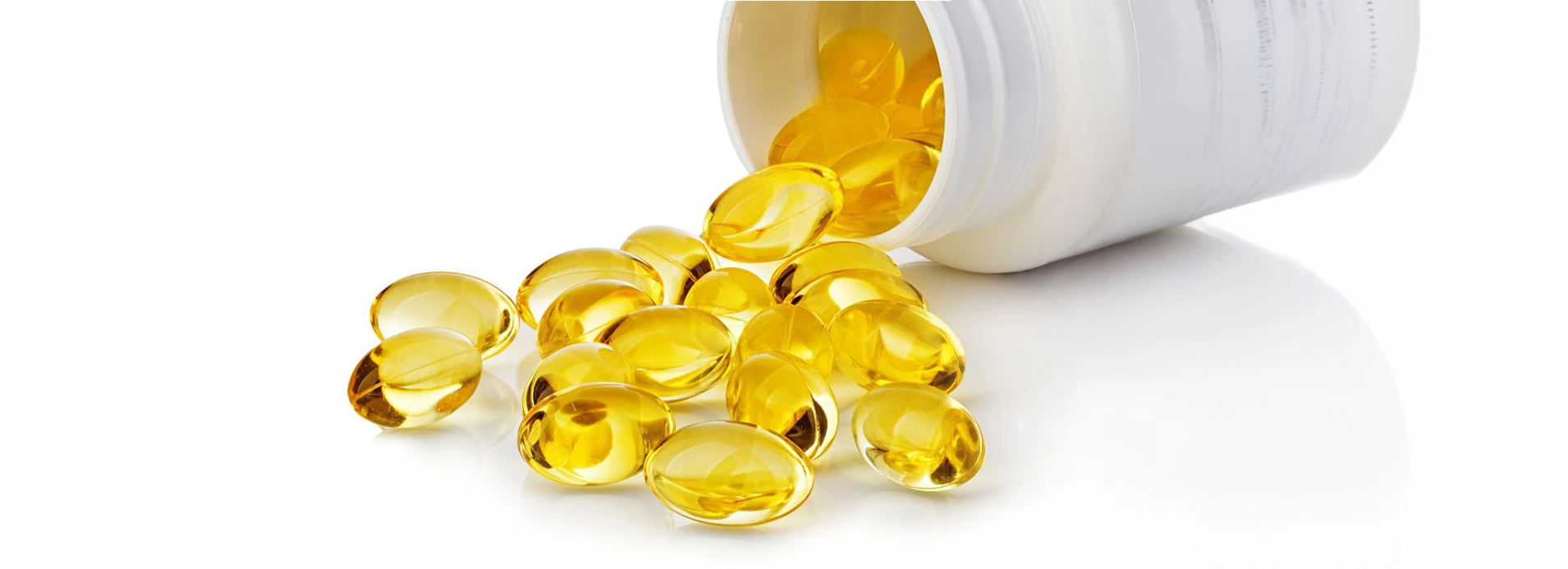

Open any health app, supplement label, or diet blog, and you will meet the terms omega-3 and omega-6. Both are polyunsaturated fats that the body needs but cannot build on its own. Even so, the omega-3 vs omega-6 debate leaves many people unsure which one to eat more of and which one to avoid. This guide clears up the confusion with simple language and trusted sources.
By the end, you will know what each fat does, where to find it, and how much is enough.
Quick Answer: Omega-3 vs Omega-6 in a Nutshell
- Omega-3 fats (ALA, EPA, DHA) support the heart, brain and eyes, and they come from fatty fish, flaxseed, chia and walnuts.
- Omega-6 fats (mainly linoleic acid) support skin, growth and cell function, and they come from vegetable oils, nuts and seeds.
- Both are essential, which means food must supply them.
- Most modern diets are high in omega-6, and low in omega-3, so raising omega-3 is usually the smarter step.
- Quality matters more than numbers: whole foods beat refined oils and fried snacks.
- Supplements may help some people, but they should be chosen with medical advice.
What Are Omega-3 and Omega-6 Fatty Acids?
Omega-3 and omega-6 are the two main families of polyunsaturated fatty acids, often called PUFAs. The names point to where a double bond sits in the fat’s carbon chain. In omega-3s it falls three carbons from the end, and in omega-6s it falls six carbons from the end. This tiny difference changes how the body uses each fat.Neither family can be made from scratch in the human body. ALA is the essential omega-3 and linoleic acid is the essential omega-6, so both must arrive through food, as the NIH Office of Dietary Supplements explains. The body can turn ALA into EPA and DHA, but the process is very limited, with reported rates under 15 percent. Because of this, direct sources of EPA and DHA are the practical way to raise those levels.
Types of Omega Fats Explained
The word “omega-3” covers several different molecules, and each behaves a little differently. The same is true for omega-6. The table below lists the ones you will meet most often. Knowing these names makes wellness supplement labels much easier to read.| Fat | Family | Where It Comes From | What It Does |
| ALA (alpha-linolenic acid) | Omega-3 | Flaxseed, chia, walnuts, soybean oil | Essential plant omega-3; a small share converts to EPA and DHA |
| EPA (eicosapentaenoic acid) | Omega-3 | Fatty fish, fish oil, some algal oils | Helps lower triglycerides and balance inflammation |
| DHA (docosahexaenoic acid) | Omega-3 | Fatty fish, fish oil, algal oil | Key structural fat in the brain, eyes and developing infants |
| LA (linoleic acid) | Omega-6 | Sunflower, corn and soybean oils, seeds | Essential for skin barrier, growth and cell health |
| AA (arachidonic acid) | Omega-6 | Meat, eggs; also made from LA | Raw material for signalling molecules in immunity and clotting |
Omega-3 vs Omega-6: Key Differences at a Glance
| Feature | Omega-3 | Omega-6 |
| Double bond position | Third carbon from the end | Sixth carbon from the end |
| Essential fat | ALA | Linoleic acid |
| Rich sources | Fatty fish, flaxseed, chia, walnuts, algal oil | Sunflower, safflower, corn and soybean oils, nuts, seeds |
| Main roles | Heart, brain and eye support; helps balance inflammation | Skin barrier, energy, growth, cell signalling |
| Typical intake today | Often too low | Often plentiful or high |
| Need for supplements | Sometimes, if diet falls short | Rarely needed |
What Is the Main Difference?
The biggest difference is how the body uses these fatty acids to produce signalling molecules.Omega-3 fatty acids, particularly EPA and DHA, contribute to the production of lipid mediators that help regulate inflammatory responses. Some of these mediators actively support the resolution of inflammation.
Omega-6 fatty acids also contribute to the production of signalling molecules. Some, particularly those derived from arachidonic acid, promote inflammatory responses. However, this does not mean that all omega-6 fats cause harmful inflammation.
Both fatty acids participate in maintaining normal immune and inflammatory functions. Their effects depend on the specific fatty acid, the amount consumed and the body’s overall nutritional status.
The National Institutes of Health (NIH) explains that omega-3 and omega-6 fatty acids share certain metabolic pathways and can influence the production of different signalling molecules.
Know more about the Best pharmaceutical companies in India
Health Benefits of Omega-3 Fatty Acids
Omega-3 fatty acids have received considerable attention because of their role in cardiovascular health, brain function and overall well-being.Here are some of their important health benefits.
Supports Heart and Cardiovascular Health
EPA and DHA can help regulate triglyceride levels in the blood. Triglycerides are a type of fat that the body uses for energy. However, persistently high levels can increase cardiovascular risk, particularly when accompanied by other risk factors.Omega-3 fatty acids may support cardiovascular health through several mechanisms:
- Triglyceride regulation: Higher doses of EPA and DHA can reduce elevated blood triglyceride levels.
- Blood vessel function: Omega-3 fatty acids contribute to normal cell membrane function and influence vascular signalling.
- Blood clotting: They influence platelet activity and the production of signalling molecules involved in clot formation.
- Inflammatory regulation: Certain omega-3-derived compounds help regulate inflammatory responses.
- Heart function: Omega-3 fatty acids participate in several processes that influence normal cardiovascular function.
The American Heart Association recommends eating fish, particularly fatty fish, at least twice a week as part of a heart-healthy dietary pattern.
Supports Brain Health and Cognitive Function
DHA is one of the most abundant fatty acids in the brain. It forms an important part of neuronal cell membranes and helps maintain their structure and function.Adequate DHA intake is particularly important during pregnancy, infancy and childhood because the brain undergoes rapid development during these stages.
Omega-3 fatty acids also participate in several processes associated with adult brain health.
Potential roles include:
- Supporting the structure of brain cell membranes.
- Maintaining normal communication between nerve cells.
- Supporting the functioning of the nervous system.
- Contributing to normal cognitive development.
Helps Maintain Eye Health
DHA is present in high concentrations in the retina, the light-sensitive tissue at the back of the eye. It helps maintain the structure and function of retinal cell membranes. Adequate DHA is particularly important during early visual development.Omega-3 fatty acids are also being studied for their potential role in maintaining eye comfort and managing certain eye conditions. However, supplementation should not be considered a treatment for dry eye disease or other eye disorders without medical advice.
Helps Regulate Inflammatory Responses
Inflammation is a natural defence mechanism. It helps the body respond to infections, injuries and other threats. However, prolonged or poorly regulated inflammation can contribute to several chronic health conditions.EPA and DHA serve as precursors to specialised pro-resolving mediators, including resolvins, protectins and maresins. These compounds participate in the body’s natural processes for resolving inflammation.
This is one reason omega-3 fatty acids are studied in relation to:
- Joint health
- Cardiovascular health
- Immune function
- Metabolic health
- Inflammatory conditions
Supports Maternal and Infant Development
Omega-3 fatty acids, particularly DHA, are important during pregnancy and early childhood. DHA contributes to the development of the baby’s brain, nervous system and eyes. Adequate maternal intake is therefore an important part of pregnancy nutrition.Pregnant and breastfeeding women should discuss their omega-3 requirements with their healthcare providers and choose appropriate food or supplement sources.
Supports Skin Health
Omega-3 fatty acids are components of cell membranes and contribute to normal skin function.They may help support:
- Skin barrier function
- Normal inflammatory responses in the skin
- Cell membrane integrity
- Overall skin health
Read more : Signs of low magnesium
Health Benefits of Omega-6 Fatty Acids
Omega-6 fatty acids are equally important for maintaining normal bodily functions. Their benefits are sometimes overlooked because of discussions about their relationship with inflammation.
However, eliminating omega-6 from your diet is neither necessary nor advisable.
Here are some of their key functions.
Maintains Healthy Skin
Linoleic acid plays an important role in maintaining the skin’s protective barrier.It is involved in the formation of specialised lipids in the outermost layer of the skin. These lipids help reduce excessive water loss and protect the skin from environmental irritants.
Supports Normal Cell Growth and Function
Omega-6 fatty acids form part of the phospholipids that make up cell membranes. These membranes help regulate the movement of substances into and out of cells. They also support communication between cells and several important metabolic activities. Linoleic acid is therefore essential for normal cell growth, maintenance and functioning.Supports Normal Growth and Development
Essential omega-6 fatty acids are required for normal growth and development.They contribute to:
- Cell membrane development
- Normal skin function
- Reproductive health
- Growth and tissue maintenance
- Several metabolic processes
Helps Maintain Healthy Blood Lipid Levels
Replacing saturated fats with polyunsaturated fats, including omega-6-rich oils, can help lower LDL cholesterol levels. LDL cholesterol is commonly called bad cholesterol because elevated levels can contribute to plaque formation in arteries. The key is to choose healthier unsaturated fats instead of relying on saturated fats from sources such as butter, fatty meat and certain processed foods.Does the Ratio Matter?
Many articles focus on the omega-3 omega-6 ratio. Traditional diets are often described as sitting near 1:1 to 4:1, while modern Western diets are sometimes estimated at 10:1 or higher. The concern is that heavy omega-6 intake could crowd out omega-3 in the body. Scientists still debate how much the ratio matters on its own.Experts have not agreed on one ideal number. Many suggest raising omega-3 first, instead of sharply cutting omega-6. A practical plan is to eat fish or seeds regularly and reduce deep-fried and packaged foods. That approach improves balance without turning meals into a maths exercise.
Best Food Sources in an Indian Diet
Food should always come first, and Indian kitchens already hold several good options. Fatty fish is the richest source of EPA and DHA, while seeds and nuts supply ALA. Most households also get abundant omega-6 from cooking oils and snacks. The table below groups common choices.| Fat Type | Food Examples | Helpful Tip |
| Omega-3 (EPA and DHA) | Sardines, mackerel (bangda), salmon, herring | Aim for fatty fish twice a week; grill or curry rather than deep fry |
| Omega-3 (ALA) | Flaxseed (alsi), chia seeds, walnuts (akhrot), soybean oil | Add ground flaxseed to curd, smoothies or atta |
| Omega-6 (LA) | Sunflower oil, corn oil, sunflower seeds, groundnuts | Rotate oils and avoid reheating the same oil repeatedly |
Who May Fall Short on Omega-3?
True omega-3 deficiency is rare, but it can cause rough, scaly skin and a red, itchy rash. A more common issue is low EPA and DHA intake from limited fish consumption. People who rarely eat seafood, follow vegetarian or vegan diets, or live far from fresh fish markets are most likely to miss out. Pregnant and breastfeeding women also have higher needs.Doctors can assess status through blood tests, including the omega-3 index, which reflects EPA and DHA in red blood cells. However, most clinicians do not run this test routinely. Instead, they usually review diet, health history and risk factors. Self-diagnosis from symptoms is unreliable, so professional guidance is the better route.
Choosing an Omega-3 Supplement
Supplements differ in source, form and dose. In the Indian market, an omega-3 supplement in India may be fish oil, krill oil, cod liver oil or vegetarian sources. Labels also vary in how much EPA and DHA they provide, which matters more than the total “omega-3” figure. The table below compares the main types.When comparing products, read the label for EPA and DHA content, serving size, directions and any allergen notes. Look for third-party testing or quality certification where available. Check the expiry date, and store capsules in a cool, dry place. Ask your doctor before buying if you take medicines or have a health condition.
Where VMG Active’s Extracard® Fits In
Some adults find it hard to reach their omega-3 goals through meals alone. This is where a well-chosen heart health supplement can play a supporting role next to good food. VMG Active offers Extracard® in its heart and wellness range for adults who want that extra support. Supporting heart health involves more than focusing on a single nutrient. Your body needs a combination of essential fatty acids, minerals, antioxidants and other nutrients to maintain normal cardiovascular and metabolic functions. This is where VMG Active’s Extracard® offers a thoughtful approach to daily nutritional support.Unlike supplements that focus on just one ingredient, Extracard® combines flaxseed powder, Coenzyme Q10 (CoQ10), L-Arginine, magnesium, green tea catechins, grape seed extract, lycopene, and essential trace minerals in one formulation.
Here’s what makes its combination interesting:
- Flaxseed powder: Provides plant-based ALA, an essential omega-3 fatty acid.
- CoQ10: Supports mitochondrial energy production and antioxidant activity.
- L-Arginine: Acts as a precursor to nitric oxide, which helps regulate blood vessel function.
- Magnesium: Contributes to normal muscle function, electrolyte balance and energy metabolism.
- Green tea catechins and grape seed extract: Provide antioxidant polyphenols.
- Zinc and selenium: Support normal immune function and antioxidant defence.
If you are looking to make everyday nutritional support part of your wellness routine, VMG Extracard® offers a multi-ingredient approach to supporting heart health and overall well-being.
Safety, Side Effects and When to See a Doctor
Side effects from omega-3 supplements are usually mild. They can include an unpleasant taste, bad breath, heartburn, nausea or loose stools. High doses may raise bleeding risk, especially with warfarin or similar medicines. Staying within label directions and the FDA limit of 5 g per day of EPA and DHA combined helps reduce risk.
Pregnant and breastfeeding women, children and people with medical conditions should consult a doctor before use. The same applies to anyone planning surgery or taking prescription drugs. Seek urgent care for unusual bruising, bleeding or signs of an allergic reaction. Supplements must never replace prescribed treatment.
Final Thoughts
Omega-3 and omega-6 are partners, not rivals. Both are essential, and each supports normal body function. Most people gain by adding fish, seeds and walnuts while easing off refined oils and fried foods. Small, steady habits give the best long-term results.Supplements can help in certain cases, but they work best alongside balanced meals and regular activity. Read labels, respect dose limits and involve your doctor in every decision. Reliable guidance protects your health far better than trends or marketing claims. With the right knowledge, building a balanced fat intake becomes simple and sustainable.
Medical disclaimer: This article is for general education and is not medical advice. Please consult a qualified healthcare professional before starting any supplement, especially if you are pregnant, breastfeeding, have a medical condition, or take prescription medicines.